The most studied ingredient in the bottle, and the one where reading only half the research gives you entirely the wrong impression. Here is both halves.
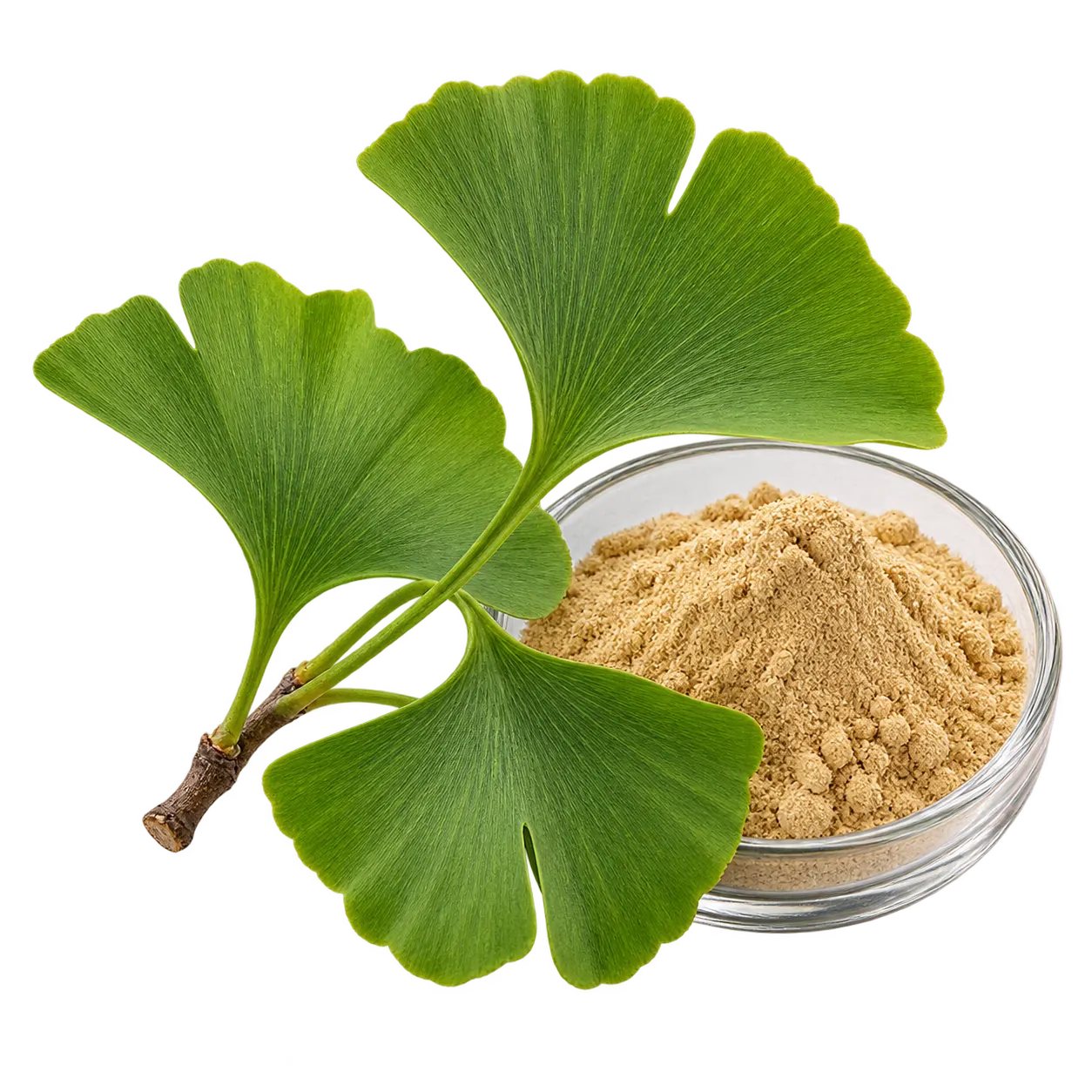
Ginkgo biloba is a tree with no living relatives — the last survivor of an order that otherwise died out, which is why you sometimes see it called a living fossil. A Ginkgo Biloba supplement is made from the fan-shaped leaves, never the seeds, which are a separate food and carry their own cautions.
The word that matters on a label is extract. Dried leaf powder and Ginkgo Biloba extract are not the same product and do not behave the same way. Research-grade extract is concentrated roughly fifty times from raw leaf and then standardised — adjusted batch by batch to hit a fixed percentage of the two compound families that do the work: flavone glycosides at around 24 percent and terpene lactones at around 6 percent. Without that standardisation, two capsules containing an identical milligram figure can carry wildly different amounts of the active compounds.
This is why comparing the best Ginkgo Biloba supplement options on milligrams alone is a mistake. 120 mg of a standardised extract is a known quantity. 120 mg of unspecified “ginkgo leaf” is not.
Ginkgo has been studied more than anything else in this bottle, and the picture is genuinely mixed. Reading only the encouraging half of it is how this ingredient gets oversold.
The encouraging half. A 2011 randomised trial followed 188 healthy adults aged 45 to 56 who took 240 mg of standardised extract daily for six weeks. The group taking ginkgo did better at recalling appointments and at free recall of material they had learned. That is a useful result because the task resembles ordinary life rather than a laboratory exercise.
The important limitation inside that same trial. There was no advantage on recognition memory. Participants were not better at identifying something they had seen before; they were better at producing it unprompted. Those are different mental operations, and the distinction gets flattened in marketing copy.
The discouraging half. Two large prevention trials in older adults — one following more than 3,000 people for over six years — found that ginkgo did not reduce the rate of dementia or slow cognitive decline. Those results are real, they are large, and anyone considering Ginkgo Biloba for healthy aging deserves to know them. They do not contradict the six-week finding. They answer a completely different question: whether ginkgo prevents disease, which it does not appear to do.
Short-term support for recall in healthy middle-aged adults is a modest claim with evidence behind it. Prevention of cognitive decline is a large claim, and the two biggest trials ever run said no.
Those three phrases get searched almost interchangeably, and the evidence treats them differently.
If you want Ginkgo Biloba for cognitive support specifically, the honest summary is: a real but modest effect on one kind of recall, no demonstrated effect on preventing decline, and a timeline measured in weeks rather than days.
Ginkgo is the one ingredient in VapoCept® that interacts meaningfully with common medications, so it gets more space here than the rest.
Blood thinners and antiplatelets. Ginkgo affects platelet behaviour and bleeding time. If warfarin, clopidogrel, apixaban or a daily aspirin is on your list, that is a conversation to have with whoever prescribes it before a ginkgo-containing product goes anywhere near your morning routine. This is not a reason to avoid it. It is a reason to declare it.
Surgery and dental work. Surgeons and dentists generally want ginkgo paused one to two weeks ahead of a procedure, for the same reason.
Seizure disorders. People with a seizure history are usually advised to avoid ginkgo, and it is worth raising with a neurologist rather than deciding alone.
Everyday tolerance. In healthy adults not taking those medications, side effects are uncommon and mild — occasional headache in the first week, sometimes mild stomach upset if the capsule is taken without food.
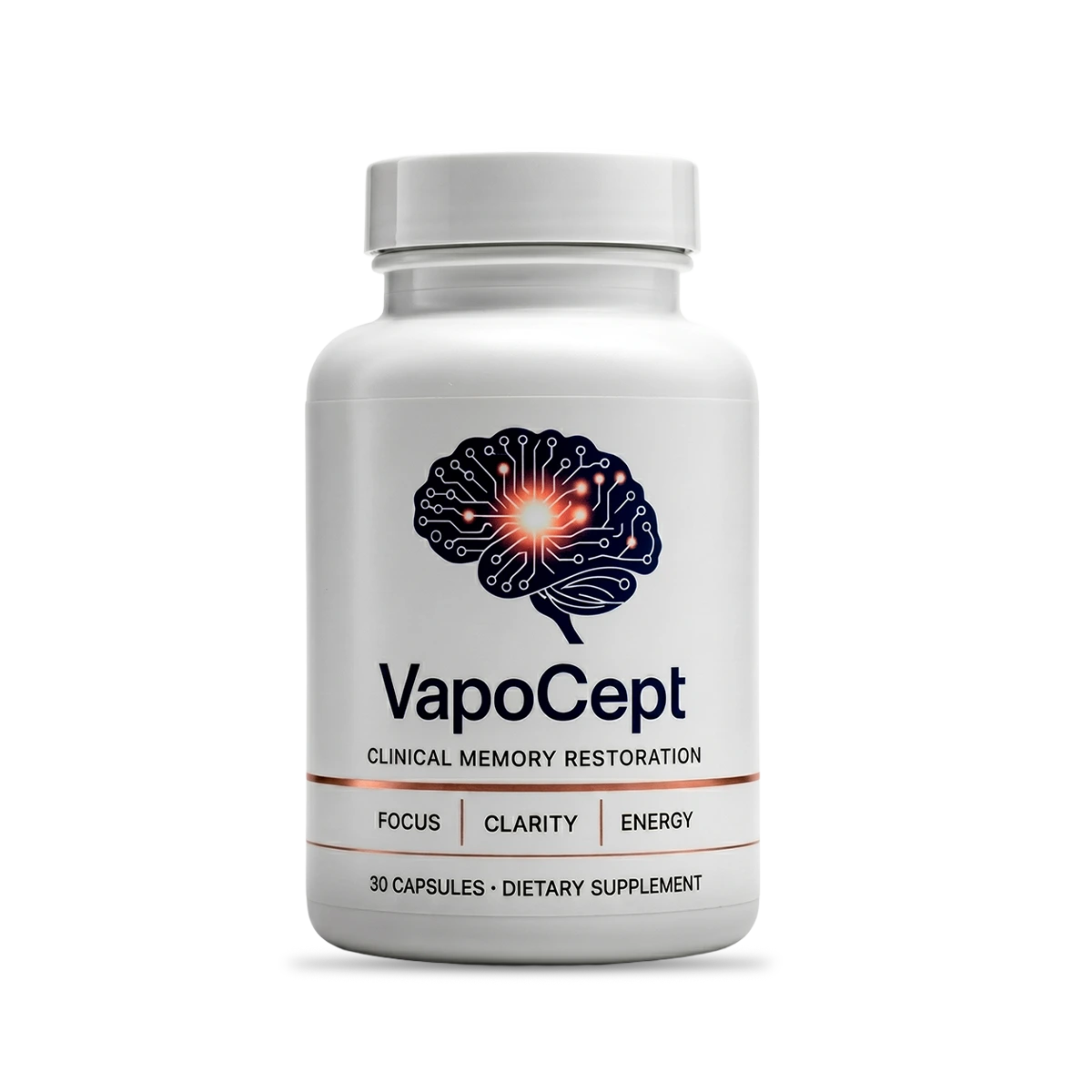
VapoCept Ginkgo Biloba is one of six named actives, each printed with its own amount rather than buried in a blend. Ginkgo is the headline ingredient in the sense that it carries the most research, and the sense in which that research is limited is set out above rather than left out.
The argument for taking a Ginkgo Biloba brain supplement as part of a combination rather than on its own is coverage: several different mechanisms from one capsule, instead of one mechanism at a higher dose. The argument against it is equally plain — if ginkgo is the only thing you want, a standalone Ginkgo Biloba memory supplement at a researched dose is cheaper and more precise. Which of those is right depends on what you are actually trying to do.
Per-serving amounts for every active are printed on the physical supplement facts panel and shown at the official checkout. If a figure you read elsewhere does not match the panel on your bottle, the panel is the one to trust.
Ginkgo is one of six. Every amount is printed on the panel rather than pooled into a blend, so you can check the whole formula before you start.
See package optionsIn the clearest trial available, 240 mg of standardised extract daily for six weeks improved free recall and appointment recall in healthy adults aged 45 to 56. It did not improve recognition memory in the same study, and two large prevention trials found no effect on dementia rates or cognitive decline in older adults.
The trial that found a recall benefit ran for six weeks of daily use. Nothing in the research suggests a same-day effect, and anyone expecting one within a few days is going to be disappointed.
For healthy adults not on anticoagulant or antiplatelet medication, daily use is generally well tolerated. Anyone taking blood thinners, anyone with a seizure history, and anyone with surgery booked in the next fortnight should speak to their own doctor first.
If ginkgo is the only ingredient you want, yes — a standalone at a standardised dose is cheaper and more precise. A combination makes sense only if you want several mechanisms covered from one capsule. Either way, check the label says standardised extract rather than plain leaf powder.