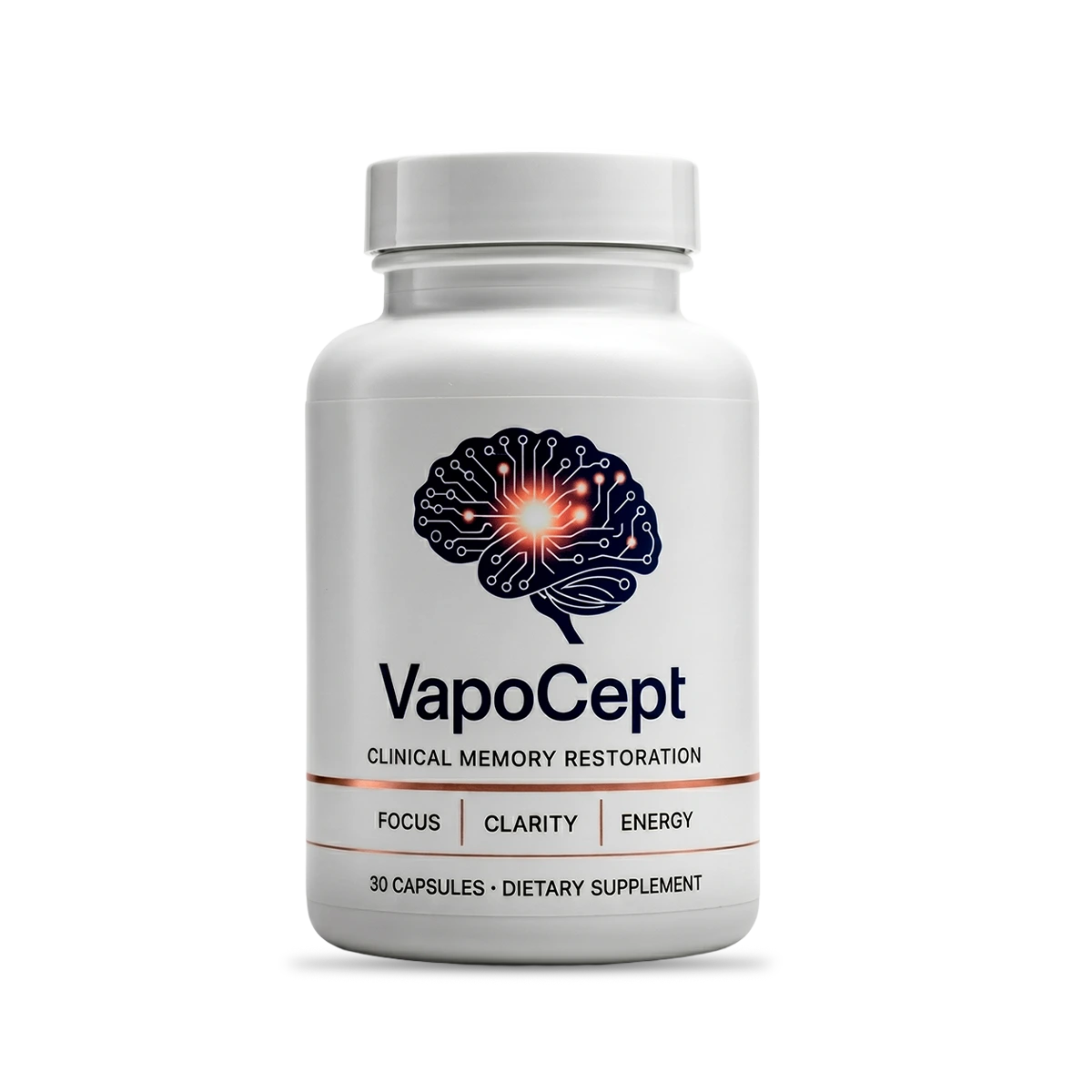
The sixth active is not a plant, which is the single reason this formula should never be described as six botanicals.
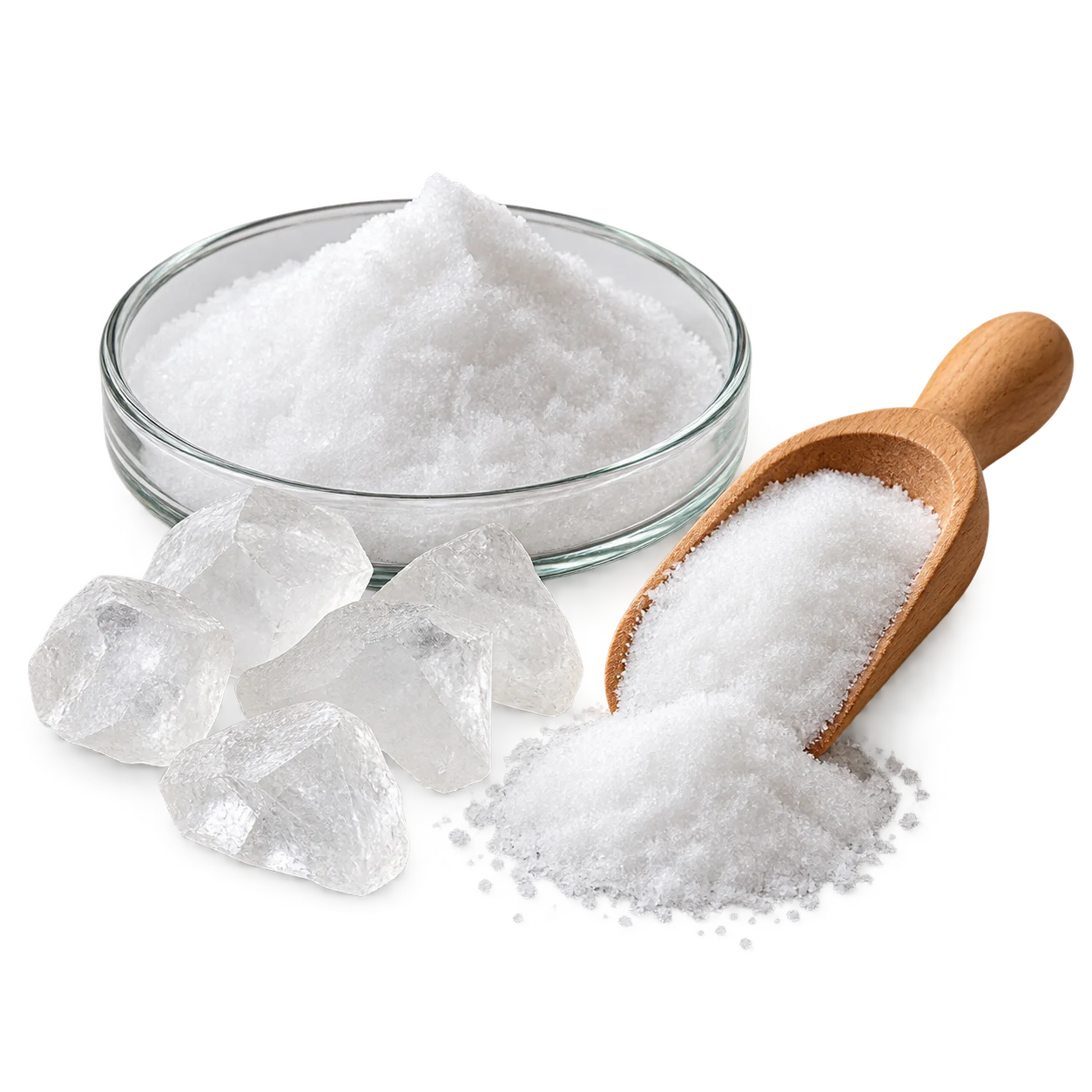
Five of the six actives in VapoCept® are plant extracts. This one is not. D-Glucosamine Sulfate Potassium Chloride is an amino sugar — a sugar molecule with an amino group attached — produced in the body and used in building cartilage and other connective tissue. Commercially it is usually derived from shellfish shells, though vegetarian versions fermented from corn exist.
This single fact is the reason you will not see the phrase six botanicals anywhere on this site. Five botanicals plus one amino sugar is what is actually in the bottle, and the distinction matters to anyone with a shellfish allergy, anyone keeping a plant-based diet, and anyone simply trying to check a claim against a label.
The “sulfate potassium chloride” part of the name is not decoration. It describes the stabilised salt form, which is the form used in most of the clinical research on this compound and the one considered more reliably absorbed than glucosamine hydrochloride.
Joints. That is the honest headline. D-Glucosamine supplement benefits rest on decades of use in osteoarthritis and joint comfort, with a research record that is genuinely mixed — some trials positive, some null, and a long-running argument about which preparations and which patient groups show an effect.
What there is none of is memory research. No randomised trial has tested glucosamine against a cognitive outcome. Reading a brain-supplement page that implies otherwise should make you distrust that page.
Glucosamine belongs on this label as part of the formula's nutritional foundation. It does not belong in a sentence about recall, and we are not going to put it in one.
There is a line of reasoning occasionally offered for glucosamine in a general-health formula, and it is worth laying out precisely so you can judge it yourself.
A large prospective analysis of UK Biobank data — 466,039 participants without cardiovascular disease at baseline — found that habitual glucosamine users had a lower incidence of cardiovascular events over follow-up. Since vascular health and cognitive health are related over a lifetime, the chain of reasoning runs: glucosamine, to cardiovascular outcomes, to brain health.
Now the caveats, which are substantial. That study is observational, not randomised. People who take glucosamine habitually differ from people who do not in many ways that are hard to fully adjust for — they tend to be more health-conscious in general. And it measured cardiovascular events, not cognition. It is two inferential steps away from anything you could call a memory benefit.
We include it because it exists and because leaving it out would be its own kind of editing. We are not going to describe it as evidence that glucosamine supports memory, because it is not.
Shellfish allergy. Most commercial glucosamine is derived from crustacean shells. The allergenic proteins are in the flesh rather than the shell and refined products are generally considered low-risk, but anyone with a significant shellfish allergy should confirm the source before starting rather than assume.
Diabetes. Early concerns that glucosamine might affect blood glucose have largely not held up in controlled studies, but anyone monitoring glucose closely may reasonably want to mention it to their doctor.
Blood thinners. Some interaction with warfarin has been reported. In this formula that caution overlaps with the much clearer one about ginkgo, so the conversation to have is the same conversation.
It is on the panel with its own quantity. It is the sixth active and the only non-plant one. It has no cognitive trials behind it, as with bamboo, and both are described that way throughout this site.
If you came here searching for what is really in VapoCept, this page is the clearest illustration of the answer: six named ingredients, four with trials behind them, two without, and nothing pooled into a blend to stop you checking.
Per-serving amounts for every active are printed on the physical supplement facts panel and shown at the official checkout. If a figure you read elsewhere does not match the panel on your bottle, the panel is the one to trust.
Six actives, three inactives, every amount printed. The formula is checkable, which is more than most of this shelf can say.
See package optionsAn amino sugar, stabilised as a salt. It is produced naturally in the body and used in building cartilage and connective tissue. Commercially it is usually derived from shellfish shells. The potassium chloride part of the name describes the stabilised form used in most of the clinical research.
No randomised trial has tested glucosamine against a cognitive outcome. Its established use is in joint health. There is one large observational study linking habitual use to lower cardiovascular risk, but that is observational, measured heart events rather than cognition, and is two inferential steps from any memory claim.
Most commercial glucosamine comes from crustacean shells, and the allergenic proteins are in the flesh rather than the shell, so refined products are generally considered low-risk. Anyone with a significant shellfish allergy should still confirm the source before starting rather than assume.
As part of the formula's nutritional foundation rather than as a cognitive active. That is the accurate description, and it is the one we use. It is also why calling this a six-botanical formula is wrong — glucosamine is not a plant.