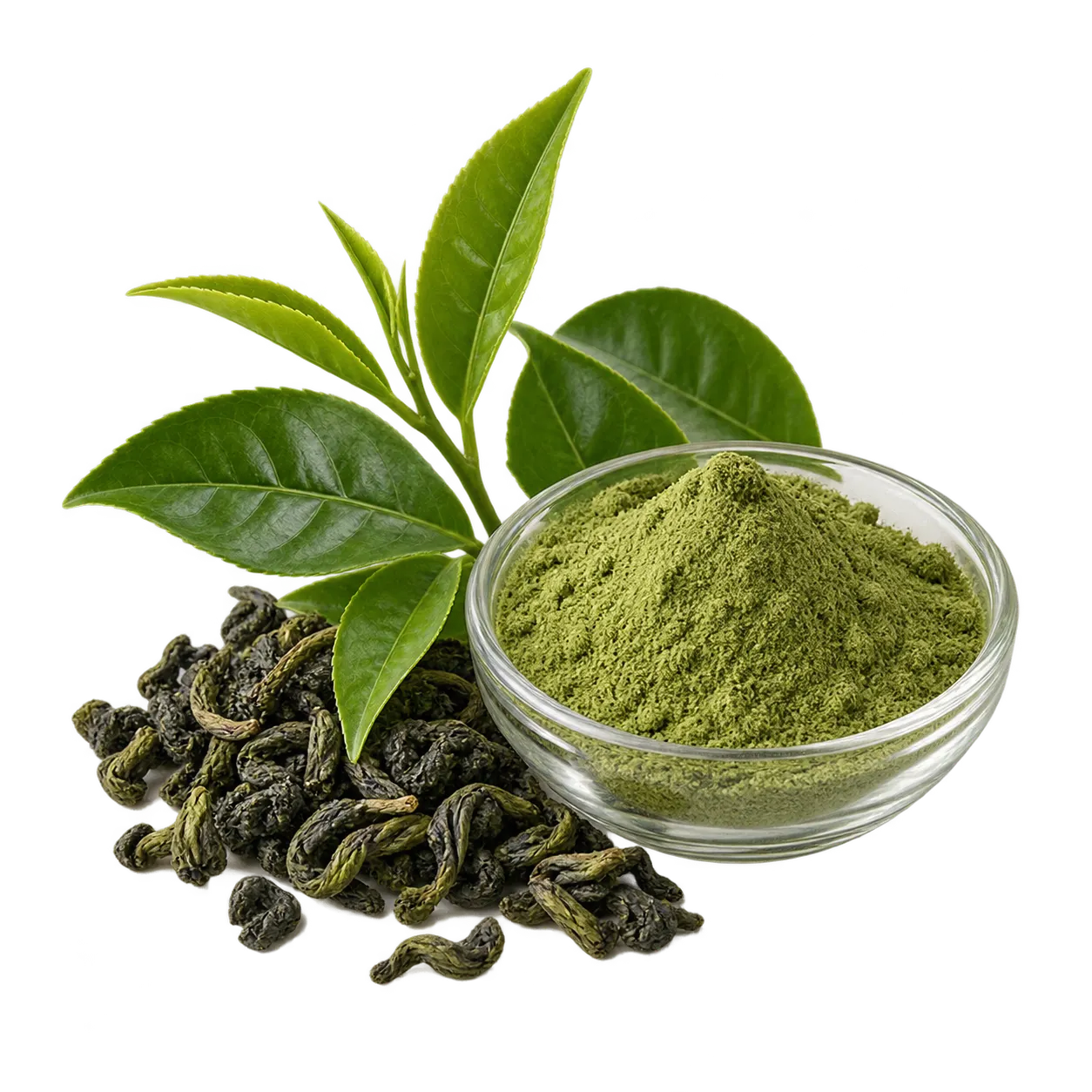
Three active components in one leaf, and the only ingredient in this formula that does anything measurable on the day you take it.
Green tea extract is unusual among supplement ingredients in that it delivers three separate things at once, and the research treats each of them differently.
Most pages about green tea extract brain health talk only about the first of those. The actual cognitive research is mostly about the second and third.
A crossover trial from 2008 tested L-theanine, caffeine and the two combined against placebo in healthy adults, measuring cognition and mood within hours of a dose. The combination produced the clearest result: faster and more accurate performance on attention- switching tasks, and less susceptibility to distraction, than either compound alone.
That makes green tea extract cognitive support the only claim in this entire formula with a same-day evidence base. Everything else here works on a scale of weeks to months. Theanine and caffeine together work within an hour or two.
Two honest qualifications. The effect is on attention, not memory — it helps you hold focus, not recall a name. And it is short-lived, lasting hours rather than accumulating. Green tea extract for mental alertness is a fair description. Green tea extract as a memory treatment is not.
If you drink tea or coffee, you already know roughly what this ingredient feels like. The pairing with theanine is what smooths the edge off the caffeine.
Green tea antioxidants for brain health is the broader and softer claim. EGCG does demonstrably reduce oxidative load, and oxidative load is plausibly relevant to how brain tissue ages. What does not exist is a trial showing that taking EGCG for a year leaves you sharper than not taking it.
This is the same caveat that applies to curcumin and lutein. EGCG antioxidant support describes a real biochemical process with an indirect and unproven link to the outcome people actually want. Saying so is not scepticism; it is just where the evidence stops.
Caffeine. The amount in a green tea extract supplement at normal doses is far below a cup of coffee. For most people it is unnoticeable. If you are caffeine-sensitive or you sleep lightly, take the capsule at breakfast or lunch rather than with an evening meal. That is the whole adjustment.
Liver safety at high doses. This one deserves to be stated plainly. Concentrated green tea extract has, at high intakes and particularly on an empty stomach, been linked in rare instances to liver injury. The cases involved high-dose standalone products rather than modest quantities inside a combination formula, and the risk is low — but it is the reason to be wary of any product pushing an unusually large EGCG figure, and another reason to take it with food.
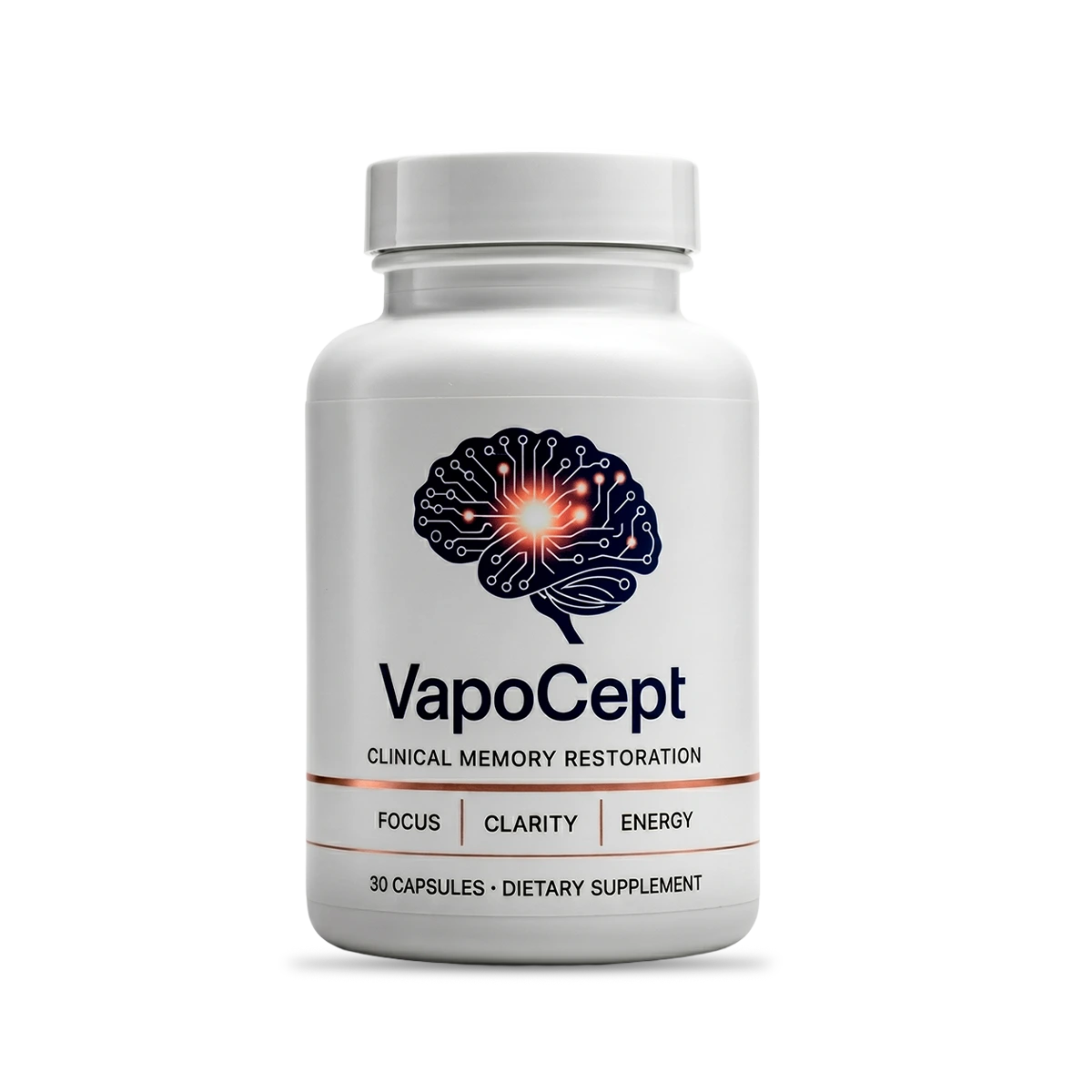
Green tea sits in VapoCept® as the third antioxidant contributor and the only ingredient with a short-term effect. Its amount is printed on the panel individually, which matters here more than for most ingredients: with green tea, the dose is the difference between an unremarkable inclusion and a product worth asking questions about.
Anyone shopping for a green tea extract supplement on its own should check the EGCG figure and treat a very large one as a reason for caution rather than a selling point.
Per-serving amounts for every active are printed on the physical supplement facts panel and shown at the official checkout. If a figure you read elsewhere does not match the panel on your bottle, the panel is the one to trust.
With green tea the dose decides everything, which is why a panel that names each active individually is worth more than one that does not.
See package optionsThe caffeine and L-theanine together do, within an hour or two. A crossover trial found the combination improved attention-switching speed and accuracy and reduced susceptibility to distraction more than either compound on its own. The effect is on attention rather than memory, and it lasts hours rather than accumulating.
At the quantities used in a combination supplement, considerably less than a cup of coffee. It is naturally present in the leaf rather than added. Light sleepers and anyone sensitive to caffeine are better off taking the capsule earlier in the day.
At modest doses inside a combination formula, yes, and best taken with food. The documented concern is with high-dose standalone extracts taken on an empty stomach, which have been linked in rare cases to liver injury. Treat an unusually high EGCG figure as a reason for caution rather than a feature.
EGCG is the principal catechin in green tea and a potent antioxidant. It demonstrably reduces oxidative load. What has not been shown is that taking it for a year leaves you cognitively sharper than not taking it — that link remains indirect.