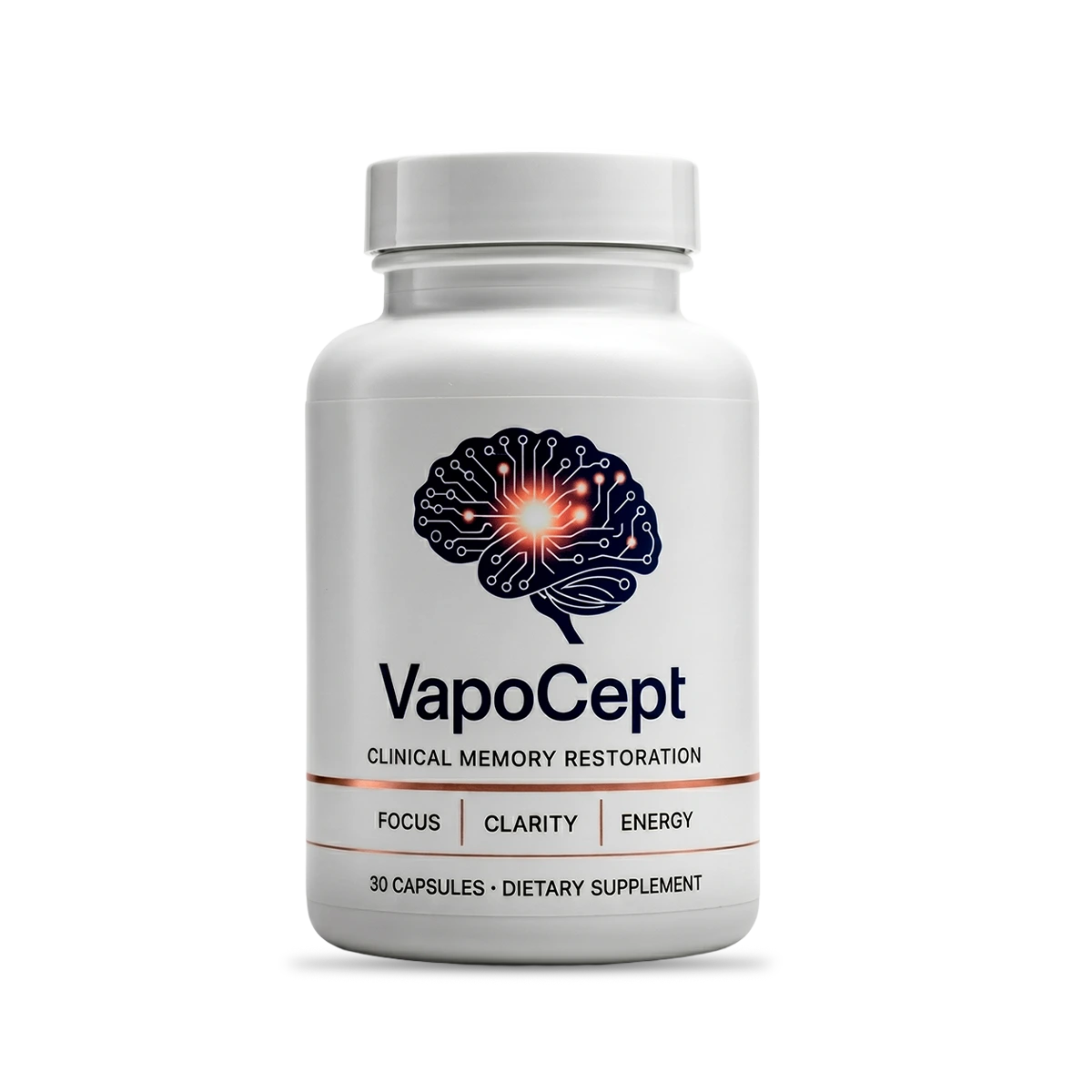
A small error that spread far, and a useful illustration of how supplement descriptions drift away from the labels they describe.
An amino acid is a building block of protein. Twenty of them, roughly, assembled in sequences to make everything from muscle fibre to enzymes. Leucine, glycine, tryptophan — those are amino acids.
An amino sugar is a sugar molecule with an amino group attached. It is structurally a carbohydrate, not a protein component. Glucosamine is the familiar example: the body makes it, and it is used in building cartilage and connective tissue.
They share four letters at the front and essentially nothing else. One is protein chemistry; the other is carbohydrate chemistry.
Supplement descriptions are rewritten constantly. A page is paraphrased for a second site, the second is paraphrased for a third, and each rewrite is a chance for a word to shift. The shifts that survive are the ones that sound plausible, which is exactly what makes amino sugar to amino acid such a durable mistake — it reads fine.
Once it is out there it propagates. Someone searching for a product with an amino acid formula finds a page describing one. Someone searching for a botanical formula finds a page describing that. Both are reading about the same bottle, and neither description is quite what is printed on it.
The underlying problem is that nobody rewriting a description has the physical bottle in front of them. The label does not drift. Only the copies do.
Three reasons this particular slip matters more than a typo should.
The same thing that resolves every version of this problem: read the panel on the bottle. The supplement facts box is a regulated format, it lists what is in there, and it does not get rewritten by whoever needed content that week.
If the panel and a web page disagree, the panel is right. That includes this page.
While we are here: “six botanicals” is the other description that keeps circulating for this formula, and it is wrong in the same gentle way. Five of the six actives are plant extracts — ginkgo, turmeric, marigold, green tea, bamboo. The sixth is glucosamine, which is not a plant. Five plant extracts plus one amino sugar is the accurate phrasing, and it is the one used throughout this site.
Six actives, three inactives, every amount printed. Nothing pooled into a blend to stop you reading it.
See package optionsNo. Glucosamine is an amino sugar — a sugar molecule with an amino group attached, structurally a carbohydrate rather than a protein building block. The two get confused because the names look similar.
Because most commercial glucosamine is derived from shellfish shells, which matters to anyone with a shellfish allergy, and because it means a formula containing it is not entirely plant-derived.