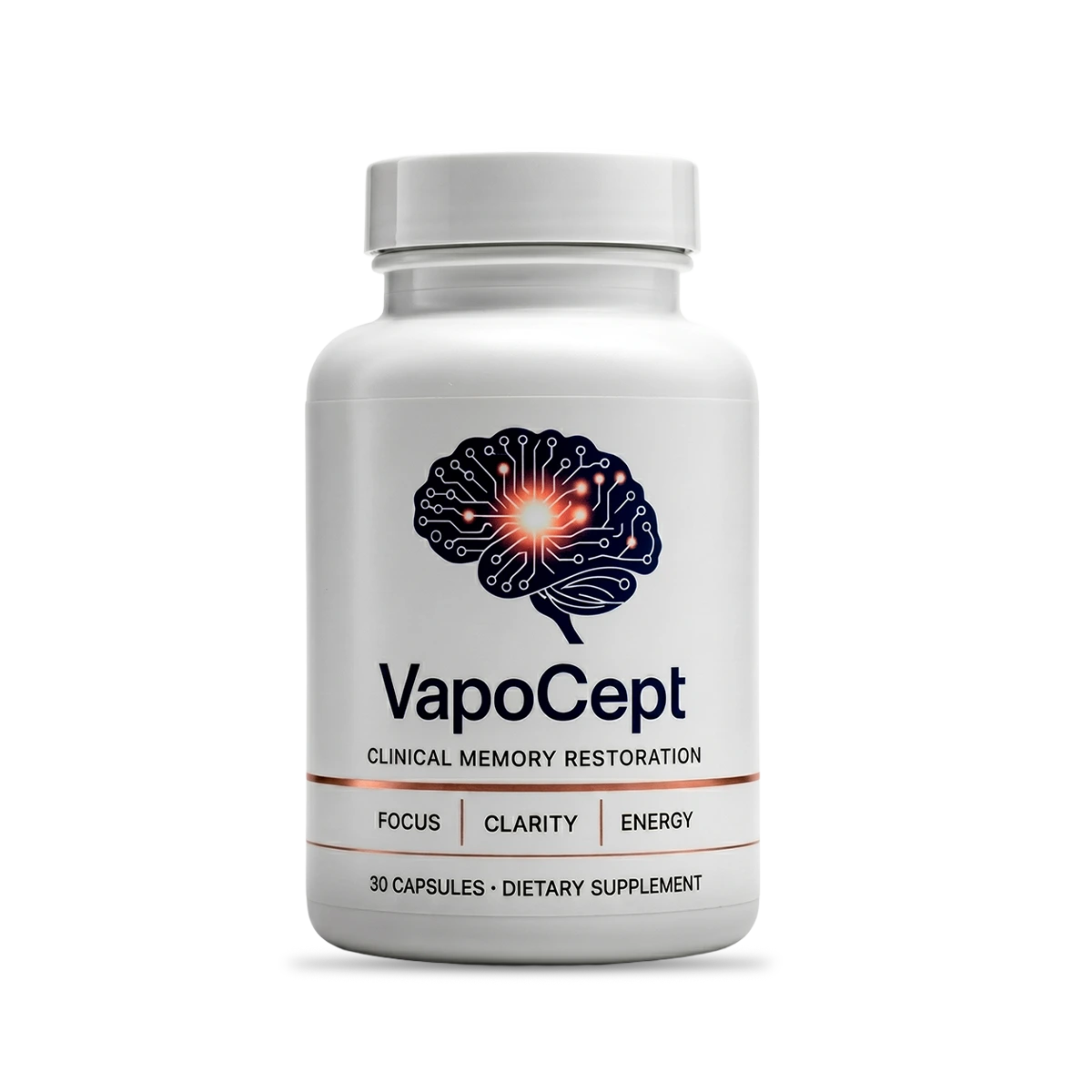
The front of a supplement bottle is advertising. The back is a regulated disclosure. Only one of them is obliged to be accurate.
The front of the bottle carries the product name, a benefit claim and some design work. None of it is required to be specific. “Advanced cognitive support” is a phrase, not a specification.
The back carries the supplement facts panel, which follows a regulated format: serving size, ingredients, amounts, and the “other ingredients” line. It is the only part of the package obliged to tell you what you are buying, and almost nobody reads it in the shop.
Everything else on the panel is per serving. If a serving is three capsules and the bottle holds sixty, that is twenty days, not two months. This is the single most common way a product looks cheaper than it is.
This is the big one. Either every active is listed with an amount beside it, or several are pooled under a heading like “Proprietary Cognitive Blend — 850 mg.” A proprietary blend tells you the total and hides the split, which means you cannot tell whether the expensive ingredient is present at a researched dose or in a trace amount put there so it can be named.
There are legitimate reasons a company might want to protect a formulation. There is no version of that argument that helps you check a dose.
“Ginkgo biloba leaf extract, standardised to 24% flavone glycosides” is a specification. “Ginkgo biloba 120 mg” is a weight of unspecified material. Magnesium oxide and magnesium glycinate absorb very differently. The form is frequently the whole story and is frequently omitted.
Capsule material, fillers, flow agents, colours. This is where you find out whether the shell is gelatin or vegetable cellulose — which decides whether the product suits a vegetarian, vegan, halal or kosher requirement regardless of how plant-based the actives are. It is the half of the panel nobody reads and it carries the fact most likely to matter to you.
Vitamins and minerals carry a %DV. Botanical extracts generally do not, because no daily value has been established for them. An asterisk next to a herb is normal and not a red flag.
“These statements have not been evaluated by the Food and Drug Administration. This product is not intended to diagnose, treat, cure or prevent any disease.” It appears on every supplement sold in the United States, it is required, and it is true. No dietary supplement is FDA-approved, because supplements are not reviewed for safety or efficacy before sale.
Sixty seconds with the back of the bottle will tell you more than an hour of reading the front, and more than most of what you will find searching the product name.
Online descriptions drift. They get rewritten, paraphrased, copied from older pages and left in place for years. The physical panel does not drift. If a web page and a label disagree about what is in a bottle, the label is right — and that includes any page describing a product you already have in your hand.
It also means you can take a photograph of the panel and show it to a pharmacist, which is the single most useful thing anyone taking prescription medication can do before starting a supplement.
Six actives, each with its own amount. Print it, take it to a pharmacist, check it against your prescriptions.
See package optionsA group of ingredients listed under one heading with a single total amount, so the individual quantities are hidden. It means you cannot tell whether a named ingredient is present at a researched dose or only in a trace amount.
No. A registered facility is one the FDA knows about and can inspect. No dietary supplement is FDA-approved, because supplements are not reviewed for safety or efficacy before they go on sale.