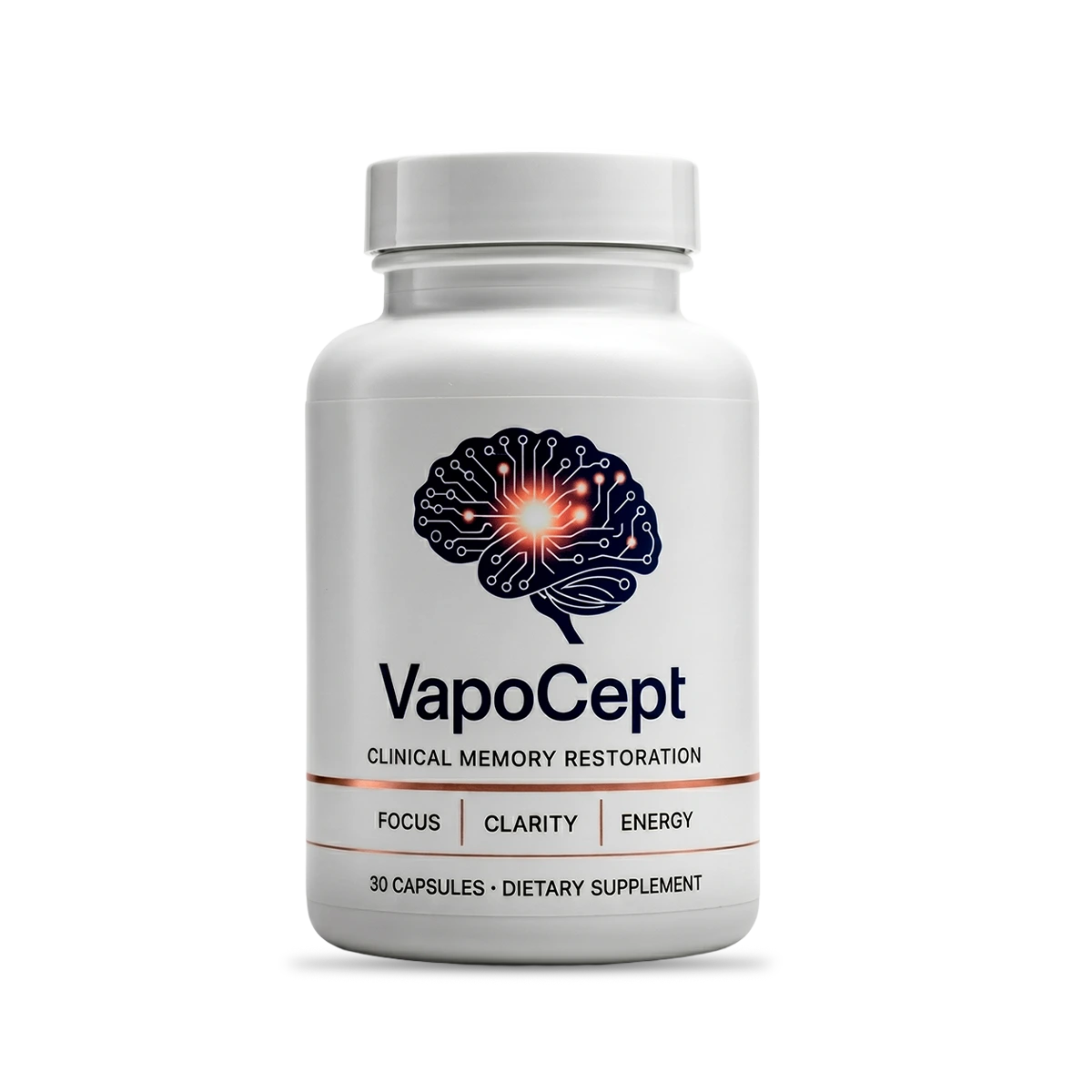
Combination formulas almost always contain at least one ingredient that is there for a reason other than a trial. That is not automatically a scandal.
Open any multi-ingredient supplement and you will usually find a split. Some ingredients have randomised human trials behind them at the outcome being sold. Some have trials at a different outcome. And some have nothing at all except a general association with being healthy.
The marketing almost never distinguishes between the three. Every ingredient gets the same confident sentence, and the ones with real data end up lending their credibility to the ones without.
Here is where this gets less black-and-white than it first appears.
Bamboo extract supplies silica, a trace mineral with a documented structural role in collagen and bone matrix. There are no cognitive trials on bamboo. None. But people buying a memory supplement are, by and large, in an age bracket where connective tissue is also on their minds, and a general-health contribution is a coherent thing to include.
The problem is never the ingredient. The problem is describing it as though a trial exists when one does not.
A formula with four evidenced ingredients and two nutritional ones, described accurately, is a reasonable product. The same formula described as six clinically studied actives is a misleading one. Identical bottle, different page.
Finding a thin ingredient does not mean throwing the product out. It means recalibrating what you expect from it and what you are willing to pay.
What it should change is which pages you trust. A site willing to say “this ingredient has no cognitive research behind it” about its own product has told you something about its other claims too. A site that grades every ingredient equally and enthusiastically has also told you something.
The ingredient pages on this site grade each of the six, including the two with nothing behind them.
See package optionsThere are no randomised controlled trials showing bamboo extract improves memory, attention or recall. Its documented role is silica's contribution to connective tissue, which is a real benefit but a different one.
Not automatically. A nutritional contribution can be a coherent reason to include something. The problem is describing it as clinically studied for a benefit it has never been tested against.