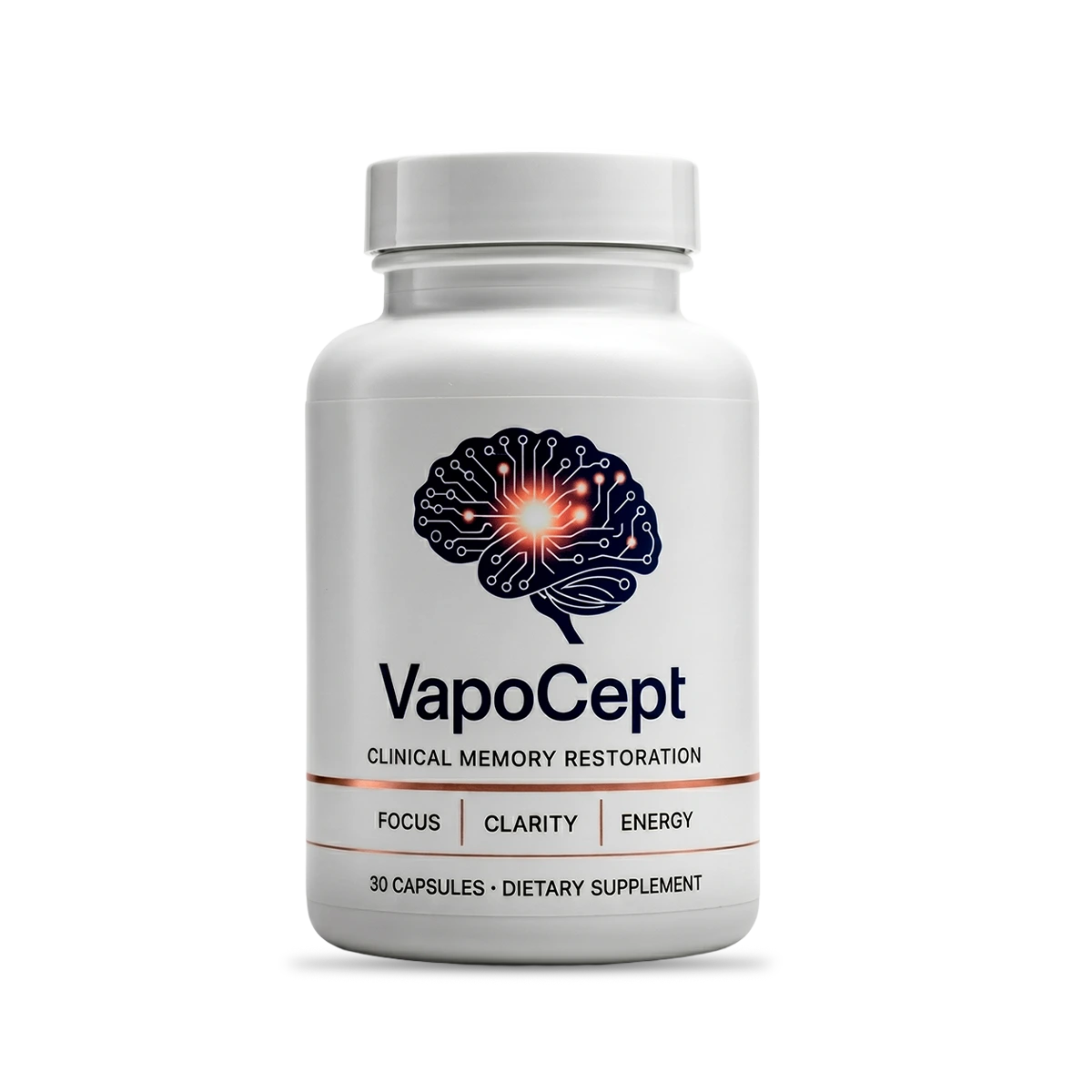
Older adults are the target market for this entire category, and they are also the group for whom the medication question matters most.
This is the check almost no supplement page leads with, and it should be first for anyone over sixty, because this is the age group most likely to be taking something daily.
The common flashpoints in this category:
The practical version: photograph the supplement facts panel, take it to a pharmacist, ask whether anything on it conflicts with your prescriptions. It is free, it takes five minutes, and pharmacists are generally pleased to be asked.
If the actives are pooled into a proprietary blend, nobody — including the pharmacist — can check the dose. A panel that names each ingredient with its own amount is the precondition for every other check on this list.
“Standardised to 24% flavone glycosides” is a specification. “Ginkgo 120 mg” is a weight of unspecified plant material. The same applies to curcumin preparations, magnesium salts and vitamin forms. Where the form is omitted, assume the cheapest one.
A practical point that gets ignored. Swallowing difficulty is common after sixty, and a product requiring three large capsules a day will quietly stop being taken by week five. A single daily capsule is a meaningful advantage for adherence, and adherence is most of what determines whether anything works.
The “other ingredients” line decides whether a product is suitable for vegetarian, vegan, halal or kosher requirements. Gelatin shells are extremely common and the fact is almost never on the front of the bottle. Check it before ordering rather than after. Shellfish-derived glucosamine is the other one worth checking if an allergy is in play.
Ingredients in this category work on timescales from six weeks to eighteen months. A fourteen-day return window closes before the product could possibly have demonstrated anything, and that mismatch tells you how seriously the company took its own timeline. Sixty days is a reasonable minimum, and a window covering opened bottles is worth more than one that does not.
The best brain supplement for seniors is not a product name. It is whichever one passes all six of these checks against your particular medication list.
Modest, slow, partial. The effects reported in randomised trials of these ingredients are described as small to moderate, appear over weeks to months, and are absent in a good number of participants.
Daily brain support for seniors is a reasonable thing to add after hearing, blood pressure, movement and sleep have been dealt with. It is not a reasonable thing to put in front of them, and any page suggesting otherwise is selling rather than advising.
A panel you can photograph and show a pharmacist, and sixty days from delivery to decide.
See package optionsSix things: no conflict with current medication, a readable panel with per-ingredient amounts, specified ingredient forms, a capsule count you will actually keep taking, a clear answer on dietary suitability, and a return window at least as long as the ingredients take to work.
Ginkgo is the most common one in this category, because it affects bleeding time. High-dose vitamin E, vitamin K and St John's Wort are others worth raising with a prescriber or pharmacist before starting anything.