It is in the food most people already have in the fridge, in quantities well below what the research used.
Lutein is a yellow carotenoid pigment. Plants make it to protect their photosynthetic machinery from light damage, and it is in almost everything green — masked by chlorophyll, which is why spinach looks green rather than yellow.
In humans it concentrates in the macula, the central region of the retina, where it has been studied for decades. What is newer and more interesting is that it does not stop there. Lutein accumulates in brain tissue too, in proportion to dietary intake, and post-mortem work has found brain concentrations tracking with cognitive scores recorded while people were alive.
That is an association rather than proof. It is also the reason anybody ran a trial, and the trial — twelve months, older adults, 12 mg of combined lutein and zeaxanthin daily — found an advantage on a complex attention task.
| Food | Why it matters |
|---|---|
| Cooked kale and spinach | By a distance the densest ordinary sources. Cooking helps — it breaks down cell walls and releases more. |
| Egg yolk | Less per gram than greens, but absorbed unusually well because the fat it travels in is already there. |
| Collard greens, turnip greens, Swiss chard | In the same family as kale and similarly dense. Underused in most kitchens. |
| Broccoli, peas, sweetcorn, pistachios | Moderate contributors that add up across a week. |
| Orange and yellow peppers, summer squash | Smaller amounts, but the colour is at least honest about what is in there. |
Estimates for typical Western intake run around one to two milligrams a day. The trial used twelve. Closing that purely with food means eating cooked greens most days, which some people do and most do not.
This is the clearest nutritional argument for a lutein supplement for seniors, and it is an unusually clean one: a measurable compound, a measurable tissue concentration, a known dietary shortfall and a trial at a specific dose. That combination is rarer in this category than you might expect.
Eat the greens anyway. A plate of cooked kale brings fibre, folate, vitamin K and several hundred other compounds along with the lutein. A capsule brings the lutein.
Lutein is the slowest and quietest ingredient in a formula like this. Nobody notices lutein. There is no sensation attached to a carotenoid concentration rising in tissue, and anyone who tells you they felt it in week two is describing something else.
That is not a criticism of the ingredient. It is a description of what sort of ingredient it is, and judging it on how you feel next month is measuring the wrong thing on the wrong timescale.
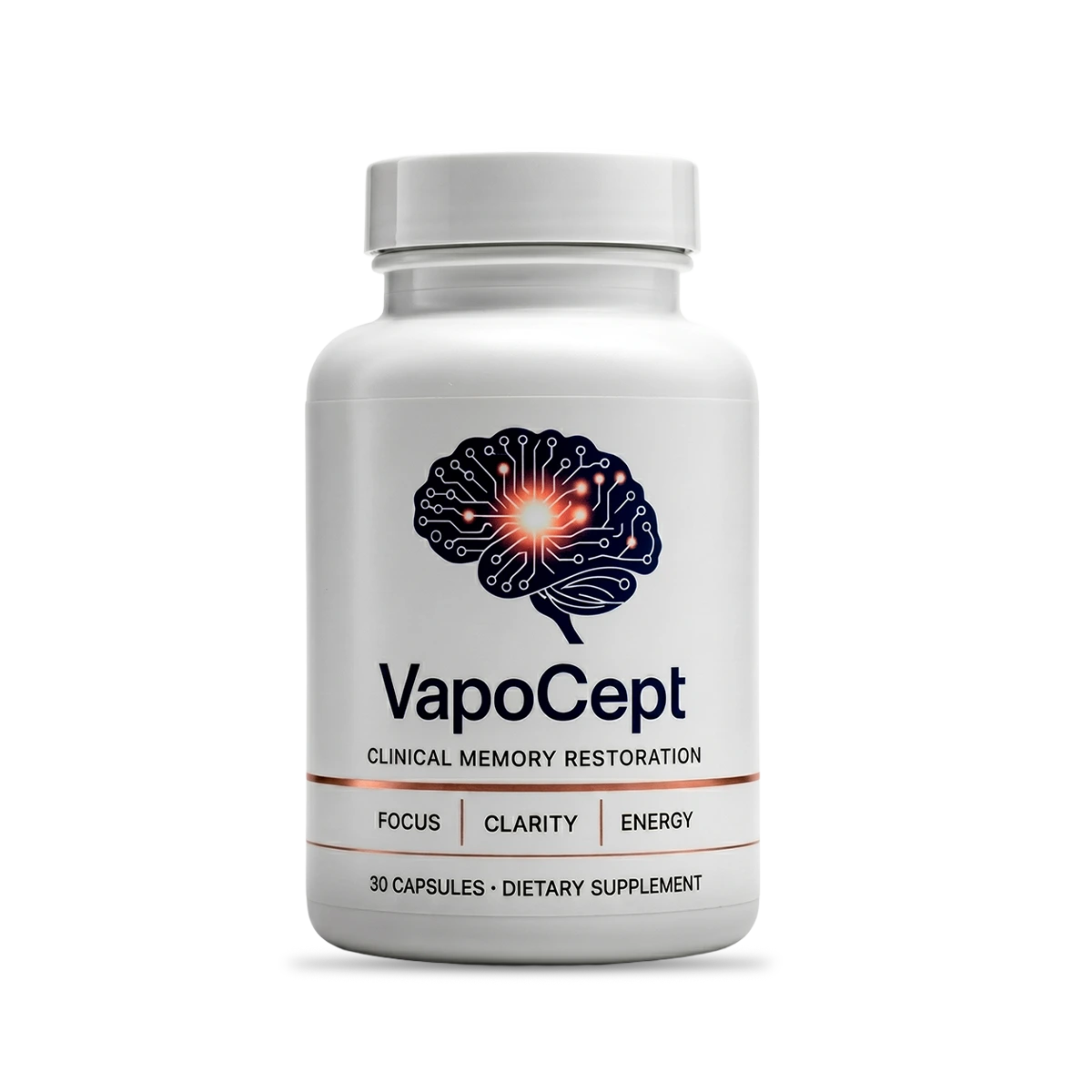
One of six actives, each printed with its own amount rather than pooled into a blend.
See package optionsCooked kale and spinach by a wide margin, followed by other dark leafy greens. Egg yolk contains less per gram but is absorbed particularly well because the fat it travels in is already present.
There is no official requirement. Typical Western intake is estimated at one to two milligrams daily, while the trial that found a cognitive benefit in older adults used twelve milligrams of combined lutein and zeaxanthin.