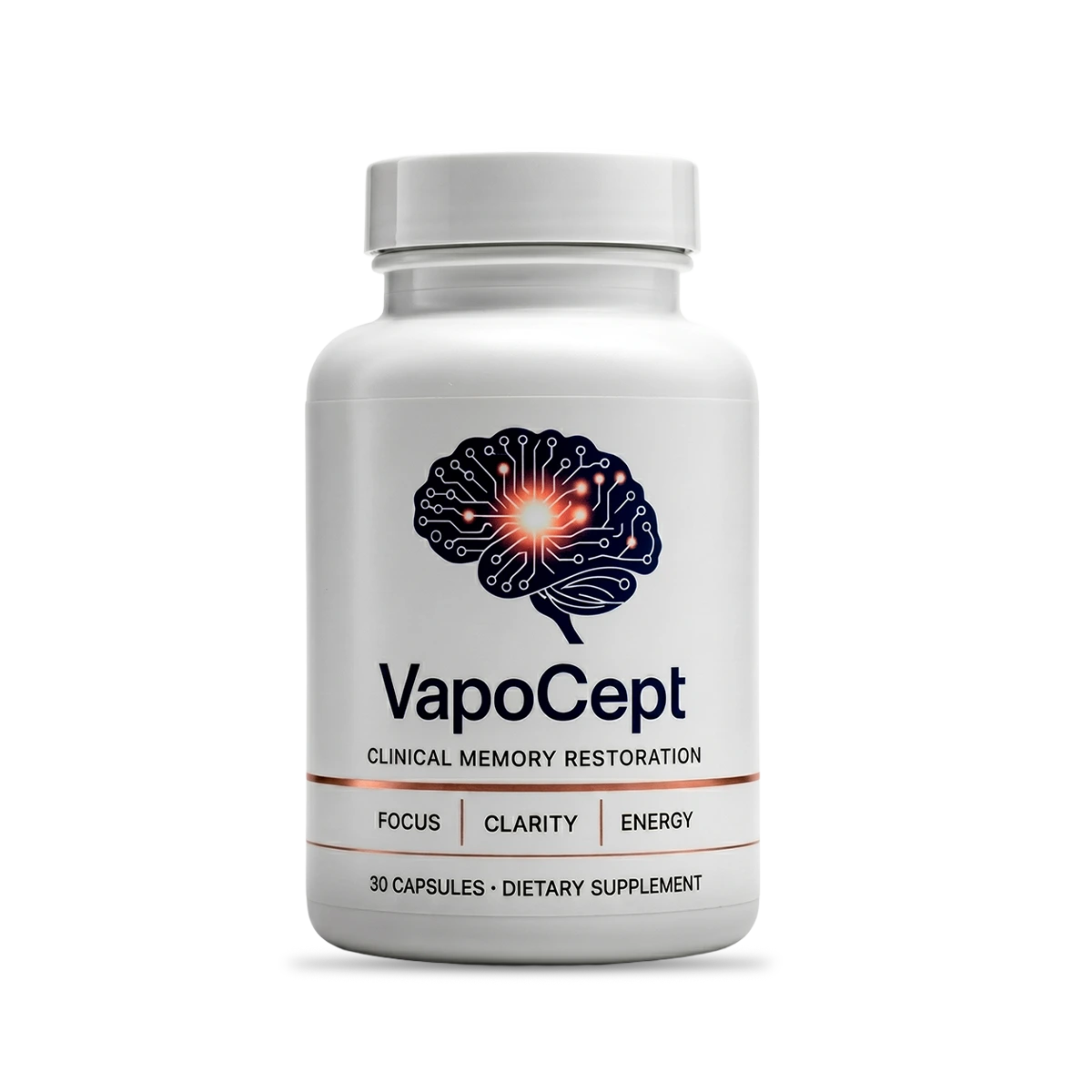
The instrument you are using to judge a memory supplement is the thing you are trying to measure. That is a problem with a solution.
You cannot remember how good your memory was in March. Nobody can. By June you have a general impression, and that impression is shaped by what you have been paying attention to — which, once you start taking something for your memory, is your memory.
Start noticing lapses and you find them everywhere; they were always there. Start hoping for improvement and the good days stand out. Neither reaction tells you anything about the capsule.
This is not a character flaw. It is why trials use control groups, and why a personal trial needs a written baseline to stand in for one.
Not impressions. Counts. Something you could show somebody.
Pick things that happen often enough to count and matter enough to care about. Then put the page somewhere you will find it in three months.
Ten minutes on day one is the difference between an answer and a feeling. Nearly nobody does it, which is why nearly nobody knows whether their supplement works.
Not thirty. The shortest trial behind the kind of ingredients used in memory formulas ran six weeks; the longest ran eighteen months. Three months is the shortest window that could fairly produce a result, and it is roughly where most sixty-day guarantees stop being useful — which is itself worth planning around.
Daily, with food, without gaps. A capsule taken four days a week is not the product being tested.
This is where most personal trials fall apart. Deciding to buy something for your memory is itself a decision that memory matters, and decisions like that rarely arrive alone. People start walking. People go to bed earlier. People book the hearing test.
All of those are good. All of them also have better evidence behind them than anything in the supplement aisle. And if four things change at once, the result is uninterpretable.
If you want to add the walking too, add it — but then you are testing the combination, and you should say so to yourself at the start rather than crediting the capsule at the end.
At ninety days, take the page out and compare. Three outcomes:
If forgetfulness is getting worse rather than holding level, or interfering with work, driving or money, no supplement is the right next step. Thyroid problems, B12 deficiency, medication side effects, sleep apnoea, depression and hearing loss all affect memory and all of them are treatable. A blood test and a hearing check take an afternoon. Ninety days on a capsule while one of those is the cause is ninety days lost.
The guarantee covers opened and empty bottles, which is what makes a real personal trial affordable.
See package optionsAround ninety days of unbroken daily use. The shortest trial behind these ingredients ran six weeks and the longest eighteen months, so thirty days is not a fair test of anything.
Write down two or three countable things before you start — reminders set per week, how often a word stalls, afternoon concentration — and compare at ninety days. Judging from memory is judging with the instrument you are testing.